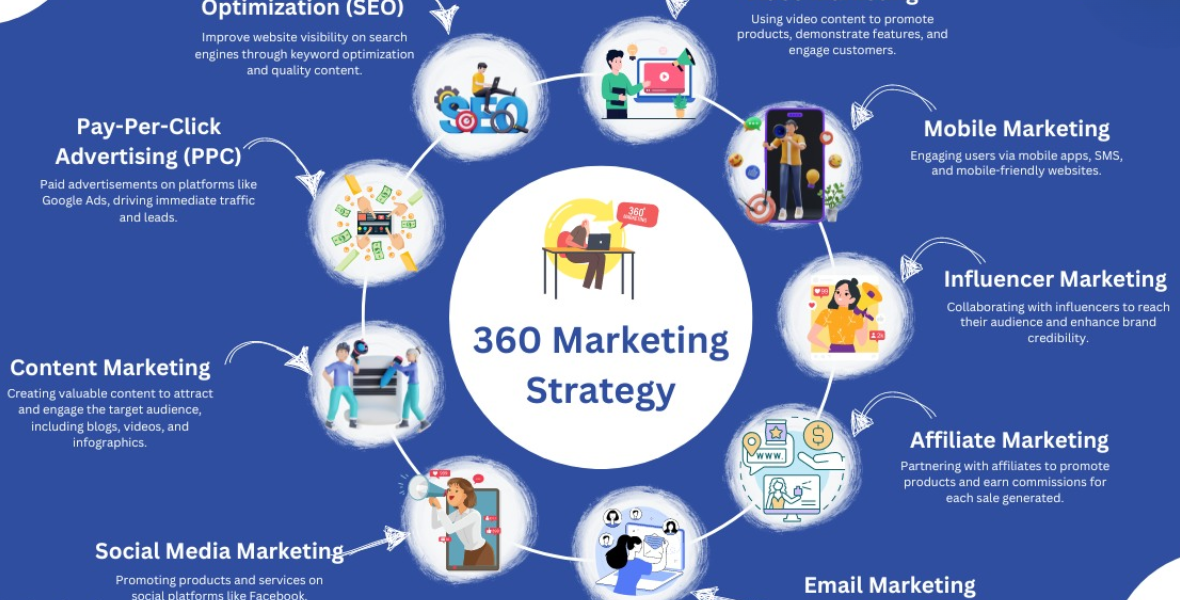

Businesses today rely on multiple digital marketing tools to manage websites, generate leads, improve search engine rankings, and engage with customers. Marketing 360 is an all-in-one digital marketing platform designed to help businesses streamline these activities from a single dashboard.
Whether you’re a small business owner, entrepreneur, or marketing professional, understanding Marketing 360 can help you determine whether it meets your business needs. This guide explains its features, benefits, pricing considerations, and how it supports business growth.
What Is Marketing 360?
Marketing 360 is a cloud-based digital marketing platform that combines marketing, customer relationship management (CRM), website management, online advertising, email marketing, scheduling, payments, and analytics into one integrated solution.
Instead of using several separate tools, businesses can manage many marketing activities through a single platform.
Marketing 360 at a Glance
| Feature | Details |
|---|---|
| Platform Type | All-in-One Digital Marketing Platform |
| Best For | Small and Medium-Sized Businesses |
| Main Functions | Marketing, CRM, Website, Analytics |
| Deployment | Cloud-Based |
| Industries | Multiple Business Sectors |
Key Features of Marketing 360
Marketing 360 offers a wide range of tools designed to simplify business management.
Some of its core features include:
- Website builder.
- Customer Relationship Management (CRM).
- Email marketing.
- SMS marketing.
- Social media management.
- Online advertising.
- Appointment scheduling.
- Payment processing.
- Reporting and analytics.
Having these tools within one platform helps reduce the need for multiple software subscriptions.
Website Builder
One of Marketing 360’s most popular features is its website builder.
It allows businesses to:
- Create responsive websites.
- Customize templates.
- Add landing pages.
- Optimize for mobile devices.
- Improve user experience.
A professional website serves as the foundation for successful digital marketing campaigns.
Customer Relationship Management (CRM)
The built-in CRM helps businesses organize customer information.
Common CRM functions include:
- Contact management.
- Lead tracking.
- Customer communication.
- Sales pipeline management.
- Task organization.
A centralized CRM improves customer relationships and sales efficiency.
Digital Marketing Tools
Marketing 360 includes several tools for online promotion.
These include:
| Marketing Tool | Purpose |
|---|---|
| Email Marketing | Customer communication |
| SMS Campaigns | Direct customer engagement |
| Social Media Tools | Content management |
| Online Advertising | Paid marketing campaigns |
| Analytics | Campaign performance tracking |
These features allow businesses to manage marketing campaigns more efficiently.
Search Engine Optimization (SEO)
SEO is an important part of digital marketing, and Marketing 360 provides tools to help improve online visibility.
SEO-related capabilities may include:
- Keyword optimization.
- Website performance monitoring.
- Local SEO support.
- Content optimization.
- Ranking analysis.
Improving search visibility can increase organic website traffic over time.
Online Advertising
Marketing 360 supports digital advertising through multiple channels.
Businesses can manage campaigns across:
- Search engines.
- Display advertising.
- Social media platforms.
- Local marketing channels.
Tracking tools help measure campaign performance and return on investment.
Analytics and Reporting
Performance measurement is essential for marketing success.
Marketing 360 provides reporting tools that help businesses monitor:
- Website traffic.
- Lead generation.
- Marketing performance.
- Customer engagement.
- Conversion metrics.
These insights support better business decisions.
Benefits of Marketing 360
Many businesses choose Marketing 360 because it combines multiple functions into one solution.
Key advantages include:
- Centralized business management.
- Time-saving automation.
- Easier campaign tracking.
- Improved customer management.
- Better reporting capabilities.
- Reduced software complexity.
Using one integrated platform can improve workflow efficiency.
Who Should Use Marketing 360?
Marketing 360 is suitable for various types of organizations.
It may benefit:
- Small businesses.
- Local service providers.
- Retail businesses.
- Healthcare practices.
- Professional service firms.
- Marketing teams.
Businesses looking for an all-in-one solution often find the platform particularly useful.
Things to Consider Before Choosing Marketing 360
Before selecting any marketing platform, evaluate factors such as:
- Business size.
- Budget.
- Required features.
- Ease of use.
- Customer support.
- Scalability.
Comparing several platforms helps ensure the best fit for your business goals.
Final Thoughts
Marketing 360 provides businesses with a comprehensive platform for managing digital marketing, customer relationships, websites, advertising, and analytics from one location. Its all-in-one approach makes it an attractive option for organizations seeking to simplify their marketing operations and improve efficiency.
Before choosing any marketing platform, consider your business requirements, budget, and long-term growth plans. Selecting software that aligns with your objectives will help maximize your marketing success.
FAQs
What is Marketing 360?
Marketing 360 is an all-in-one digital marketing platform that combines website management, CRM, marketing automation, analytics, and online advertising tools.
Who is Marketing 360 designed for?
It is primarily designed for small and medium-sized businesses looking to manage multiple marketing activities from one platform.
Does Marketing 360 include CRM features?
Yes. The platform includes customer relationship management tools for organizing contacts, tracking leads, and managing customer interactions.
Can Marketing 360 help with SEO?
Yes. Marketing 360 offers SEO-related tools that support website optimization, keyword management, and search visibility.
Is Marketing 360 suitable for growing businesses?
Yes. Its integrated features and scalable tools make it suitable for businesses that want to expand their digital marketing efforts over time.