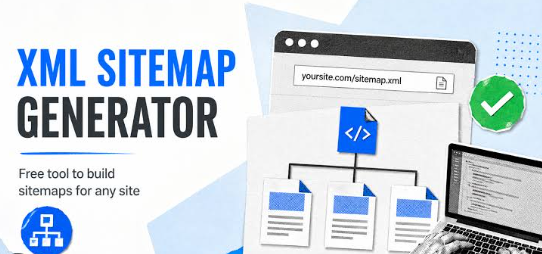
Sitemap Generator UploadArticle.com Explained With XML Sitemap Benefits Creation Methods And SEO Best Practices

A well-structured website is easier for both users and search engines to navigate. One important technical SEO component that supports website discovery is the XML sitemap. Website owners frequently search for sitemap generator uploadarticle.com when looking for information about sitemap generation, XML sitemap tools, or resources related to creating and managing sitemaps.
Although search queries may reference a specific website, the primary search intent is usually understanding how sitemap generators work, why XML sitemaps matter, and how to create one correctly.
An XML sitemap helps search engines discover important pages, especially on large or newly launched websites. When combined with strong technical SEO practices, it can improve crawling efficiency and help search engines understand website structure.
This guide explains sitemap generators, XML sitemaps, creation methods, and SEO best practices.
Sitemap Generator UploadArticle.com Quick Overview
| Topic | Details |
|---|---|
| Main Purpose | Generate XML sitemaps |
| Used For | Helping search engines discover website pages |
| Common Users | Website owners, bloggers, businesses, SEO professionals |
| File Format | XML |
| SEO Benefit | Improved crawl efficiency and page discovery |
This overview introduces the purpose of sitemap generators and their role in technical SEO.
What Is A Sitemap Generator
A sitemap generator is a tool that automatically creates an XML sitemap for a website.
Instead of manually listing every page, these tools scan a website and generate a structured sitemap that search engines can read.
Depending on the website, a sitemap generator may include:
- Homepage
- Blog posts
- Service pages
- Product pages
- Category pages
- Image URLs
- Video pages
The resulting XML file helps search engines understand which pages exist and how they relate to one another.
What Is An XML Sitemap
An XML sitemap is a machine-readable file that lists important URLs on a website.
Unlike normal navigation menus designed for visitors, XML sitemaps are intended primarily for search engine crawlers.
An XML sitemap may include information such as:
- Page URLs
- Last modification dates
- Update frequency
- Relative importance of pages
Although search engines can discover pages through internal links, XML sitemaps provide an additional method for locating important content.
Why XML Sitemaps Are Important
XML sitemaps provide several advantages for technical SEO.
Faster Discovery Of New Pages
When new pages are published, they may not immediately receive internal links or backlinks.
Submitting an updated sitemap helps search engines identify new content more quickly.
Better Crawl Organization
Large websites often contain hundreds or thousands of pages.
XML sitemaps help organize important URLs and guide crawlers toward valuable content.
Improved Coverage
Some pages may be difficult for crawlers to discover through normal navigation.
Including these URLs in an XML sitemap increases the likelihood that search engines will find them.
Helpful For Large Websites
Websites with:
- Large product catalogs
- Extensive blogs
- News sections
- Educational resources
often benefit the most from well-maintained XML sitemaps.
How Sitemap Generators Work
Most sitemap generators follow a similar process.
Website Crawling
The tool scans website pages by following links.
It identifies URLs that can be included in the sitemap.
URL Collection
The generator creates a list of discoverable pages.
Depending on settings, users may exclude:
- Duplicate pages
- Administrative sections
- Test pages
- Temporary content
XML File Creation
After collecting URLs, the tool generates a properly formatted XML sitemap.
This file follows recognized XML standards supported by major search engines.
Download Or Automatic Publishing
Some sitemap generators allow users to download the XML file.
Others automatically update and publish the sitemap whenever website content changes.
Types Of Sitemap Generators
Different websites require different sitemap solutions.
Online Sitemap Generators
Online tools allow users to generate XML sitemaps without installing software.
These tools are often suitable for:
- Small websites
- Personal blogs
- Portfolio websites
CMS Plugins
Many content management systems provide built-in or plugin-based sitemap generation.
These plugins often update the sitemap automatically whenever new content is published.
Automatic updates reduce manual maintenance.
Enterprise Sitemap Solutions
Large businesses may use advanced sitemap management systems capable of handling:
- Hundreds of thousands of URLs
- Multiple websites
- International websites
- Dynamic content
These solutions often include scheduling and automated monitoring.
What Pages Should Be Included In An XML Sitemap
Not every page needs to appear in a sitemap.
Most websites include:
- Homepage
- Service pages
- Blog articles
- Product pages
- Category pages
- Landing pages
The goal is to include pages that provide value to users and are intended to appear in search results.
Pages That Usually Should Not Be Included
Certain pages are generally excluded because they provide little search value.
Examples include:
- Login pages
- Shopping cart pages
- Internal search results
- Temporary pages
- Duplicate URLs
Removing unnecessary URLs helps keep the sitemap focused on important content.
How To Generate An XML Sitemap
Creating an XML sitemap usually involves a few straightforward steps.
Review Website Structure
Before generating the sitemap, organize the website into clear sections.
Well-structured websites generally produce cleaner sitemaps.
Choose A Sitemap Generator
Website owners can select:
- Online generators
- CMS plugins
- Desktop software
- Enterprise platforms
The best option depends on website size and management preferences.
Generate The XML File
The tool scans the website and creates the XML sitemap.
Most generators require only a few minutes for smaller websites.
Upload The Sitemap
After creation, the sitemap is uploaded to the website.
It is commonly available at a URL similar to:
https://example.com/sitemap.xmlSearch engines can then access the sitemap during crawling.
Difference Between XML Sitemap And HTML Sitemap
Many beginners confuse these two types of sitemaps.
An XML sitemap is designed primarily for search engines.
An HTML sitemap is created for website visitors and provides a navigational page containing important links.
Some websites use both formats because they serve different purposes.
XML supports technical SEO, while HTML improves user navigation.