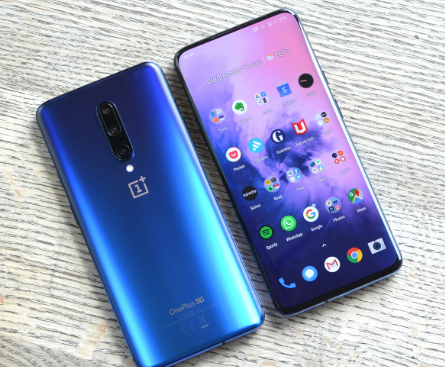

Choosing the best smartphone can be challenging because manufacturers release new models every year with improved cameras, faster processors, and smarter AI features. The ideal smartphone depends on your budget and how you plan to use it, whether for photography, gaming, work, or everyday communication.
This guide reviews some of the best smartphones available in 2026, compares their features, and helps you decide which model best suits your needs.
What Makes the Best Smartphone?
A great smartphone offers more than just a powerful processor. The best devices combine excellent performance, long battery life, high-quality cameras, reliable software, and durable build quality.
Important factors to consider include:
- Display quality.
- Camera performance.
- Battery life.
- Processing speed.
- Software updates.
- Storage capacity.
- Build quality.
- Overall value for money.
Balancing these features helps you choose a phone that meets your everyday needs.
Best Smartphones at a Glance
| Smartphone | Best For | Key Strength |
|---|---|---|
| Apple iPhone 17 Pro | Overall Performance | Powerful chipset and premium cameras |
| Samsung Galaxy S26 Ultra | Photography | Advanced zoom and AI camera features |
| Google Pixel 11 Pro | AI Features | Excellent computational photography |
| OnePlus 15 | Fast Performance | Smooth software and rapid charging |
| Xiaomi 16 Pro | Value for Money | Flagship features at a competitive price |
Apple iPhone 17 Pro
Apple iPhone 17 Pro remains one of the leading flagship smartphones for users who want premium performance and long-term software support.
Key features include:
- High-performance processor.
- Advanced camera system.
- Bright OLED display.
- Excellent video recording.
- Strong ecosystem integration.
It is an excellent option for content creators, professionals, and everyday users.
Samsung Galaxy S26 Ultra
Samsung Galaxy S26 Ultra is designed for users who prioritize photography, productivity, and premium hardware.
Highlights include:
- High-resolution display.
- AI-powered photography.
- Long battery life.
- Powerful multitasking capabilities.
- Integrated stylus support in selected models.
Its camera system is among the best available for mobile photography.
Google Pixel 11 Pro
Google Pixel 11 Pro is known for combining Google’s software expertise with advanced AI-powered camera technology.
Notable features include:
- Exceptional photo processing.
- Clean Android experience.
- Regular software updates.
- AI-powered productivity tools.
- Excellent voice recognition.
The Pixel series continues to appeal to Android users seeking a smooth software experience.
OnePlus 15
OnePlus 15 offers flagship-level performance with an emphasis on speed and responsive software.
Benefits include:
- Fast charging.
- High-refresh-rate display.
- Powerful processor.
- Smooth user interface.
- Competitive pricing.
It is a strong choice for gamers and power users.
Xiaomi 16 Pro
Xiaomi 16 Pro provides premium specifications while maintaining competitive pricing.
Its strengths include:
- Large AMOLED display.
- High-resolution cameras.
- Fast charging.
- Strong battery performance.
- Flagship-level hardware.
For buyers seeking value, Xiaomi remains a popular option.
How to Choose the Best Smartphone
The right smartphone depends on your priorities.
| Feature | Why It Matters |
|---|---|
| Camera | Better photos and videos |
| Battery Life | Longer daily usage |
| Processor | Faster performance |
| Display | Improved viewing experience |
| Storage | More space for apps and files |
| Software Updates | Better security and longevity |
Understanding your daily needs will help narrow your options.
Best Smartphone for Different Users
Best for Photography
If camera quality is your top priority, look for phones with advanced image processing, optical zoom, and strong low-light performance.
Best for Gaming
Gamers should choose smartphones with:
- Powerful processors.
- High-refresh-rate displays.
- Efficient cooling systems.
- Large batteries.
Best for Business Users
Professionals may prefer devices offering:
- Strong security features.
- Productivity tools.
- Long software support.
- Reliable battery life.
Best Budget-Friendly Option
Many mid-range smartphones now offer flagship-like performance at a lower price, making them excellent choices for value-conscious buyers.
Android vs. iPhone
Choosing between Android and iPhone depends on personal preference.
| Android | iPhone |
|---|---|
| More customization | Seamless ecosystem |
| Wide variety of devices | Long software support |
| Flexible pricing | Strong privacy features |
| Greater hardware choices | Consistent user experience |
Both platforms offer excellent smartphones with unique advantages.
Tips Before Buying a Smartphone
Before making a purchase:
- Set your budget.
- Compare specifications.
- Read expert reviews.
- Consider software support.
- Check warranty options.
- Evaluate battery performance.
- Think about long-term value.
Buying the right smartphone involves balancing features rather than focusing on a single specification.
Final Thoughts
The best smartphone depends on your individual needs, preferences, and budget. Premium devices such as the Apple iPhone 17 Pro, Samsung Galaxy S26 Ultra, Google Pixel 11 Pro, OnePlus 15, and Xiaomi 16 Pro offer outstanding performance across photography, productivity, gaming, and everyday use.
By comparing features such as camera quality, battery life, software experience, and overall value, you can confidently choose a smartphone that will serve you well for years to come.
FAQs
Which is the best smartphone overall?
Many experts consider flagship models from Apple, Samsung, and Google among the best because they combine premium performance, cameras, and long-term software support.
Which smartphone has the best camera?
High-end flagship smartphones from Samsung, Apple, and Google consistently rank among the best for photography.
Which smartphone is best for gaming?
Phones with powerful processors, high-refresh-rate displays, and advanced cooling systems provide the best gaming experience.
Should I buy Android or iPhone?
Both platforms are excellent. Android offers greater customization, while iPhone provides a tightly integrated ecosystem and long software support.
How often should I replace my smartphone?
Most modern smartphones remain reliable for four to six years, depending on software support, battery health, and your performance requirements.