Juneteenth Explained With Complete History Meaning Significance And Modern Celebrations

History is shaped by important moments that represent freedom, equality, and social progress. Among the significant dates in American history, Juneteenth holds a special place because it represents the end of slavery in the United States and celebrates the ongoing journey toward freedom and equality.
Juneteenth is observed every year on June 19 and commemorates the day when enslaved African Americans in Texas learned that they were free under federal law. The day has become a symbol of liberation, resilience, cultural pride, and remembrance.
Over time, Juneteenth has grown from a regional celebration into a nationally recognized holiday, reflecting its importance in American history and culture.
This article explains the origins of Juneteenth, its historical background, meaning, traditions, and why it continues to be an important day of recognition.
Juneteenth Quick Overview
| Category | Details |
|---|---|
| Full Name | Juneteenth National Independence Day |
| Date Celebrated | June 19 |
| Origin | Texas, United States |
| Historical Meaning | Commemoration of the end of slavery |
| First Celebrated | 1866 |
| Federal Recognition | Became a U.S. federal holiday in 2021 |
This overview provides key facts about Juneteenth and its historical importance.
What Is Juneteenth
Juneteenth is a holiday that celebrates the freedom of enslaved African Americans and recognizes the significance of emancipation in United States history.
The name “Juneteenth” combines the words “June” and “nineteenth,” referring to June 19, 1865.
On this date, Union Major General Gordon Granger arrived in Galveston, Texas, and announced General Order No. 3, informing enslaved people that they were free according to federal law.
Although the Emancipation Proclamation had been issued by President Abraham Lincoln on January 1, 1863, enforcement was not immediate in every part of the country.
Juneteenth represents the moment when news of freedom reached many enslaved people in Texas.
Historical Background Of Juneteenth
To understand Juneteenth, it is important to understand the history of slavery and emancipation in the United States.
For centuries, millions of Africans and their descendants were enslaved in America. Enslaved people were denied basic rights and forced to work under oppressive conditions.
The issue of slavery became one of the major causes of conflict between the Northern and Southern states, eventually leading to the American Civil War.
The Civil War lasted from 1861 to 1865 and became a turning point in the nation’s history.
The fight over slavery and the future of the United States shaped the events that eventually led to emancipation.
The Emancipation Proclamation And Its Role
The Emancipation Proclamation was issued by President Abraham Lincoln on January 1, 1863.
It declared that enslaved people in Confederate states were legally free.
However, the proclamation did not immediately end slavery everywhere.
Several challenges affected its enforcement, including:
- Ongoing Civil War battles
- Limited communication systems
- Resistance from slaveholders
- Differences between regions
In areas controlled by Confederate forces, many enslaved people did not receive immediate information about their freedom.
This delay is an important reason why Juneteenth became historically significant.
Why June 19, 1865 Became Important
The date June 19, 1865, marked a major moment in American history.
When General Gordon Granger arrived in Galveston, Texas, he issued an order announcing the freedom of enslaved people.
The announcement stated that slavery had ended and that formerly enslaved individuals had new legal rights under federal authority.
For many African Americans in Texas, this was the first time they received official confirmation of their freedom.
The day became known as Juneteenth and developed into an annual celebration of emancipation.
Early Juneteenth Celebrations
The first Juneteenth celebrations began in Texas in 1866, one year after the announcement of freedom.
Early celebrations often included:
- Community gatherings
- Religious services
- Family reunions
- Educational activities
- Music and cultural events
These gatherings allowed African American communities to honor freedom while preserving their history and traditions.
Over time, Juneteenth celebrations expanded beyond Texas and spread to other parts of the United States.
Meaning And Symbolism Of Juneteenth
Juneteenth represents more than the end of slavery. It also symbolizes:
Freedom
The holiday recognizes the struggle and achievement of gaining freedom after generations of enslavement.
Resilience
Juneteenth honors the strength of African American communities that continued building families, businesses, and cultural traditions after emancipation.
Equality
The holiday encourages reflection on the ongoing effort to create a more equal society.
History And Education
Juneteenth provides an opportunity to learn about important events that shaped the United States.
How Juneteenth Became A National Holiday
For many years, Juneteenth was mainly celebrated within African American communities, especially in Texas and other regions.
Activists and community leaders worked for decades to increase awareness and recognition of the holiday.
The movement gained greater attention during the 20th and 21st centuries as more people learned about Juneteenth’s historical importance.
In 2021, Juneteenth became officially recognized as a federal holiday in the United States.
The recognition marked a significant moment in acknowledging the importance of African American history and emancipation.
Importance Of Juneteenth In American Culture
Juneteenth has become an important part of American cultural identity.
The holiday provides an opportunity for people to:
- Learn about history
- Celebrate freedom
- Recognize contributions of African Americans
- Support community connections
- Reflect on social progress
Many communities use Juneteenth as a time for education, cultural programs, and discussions about equality.
The holiday connects historical events with modern conversations about rights and inclusion.
How Juneteenth Is Celebrated Today
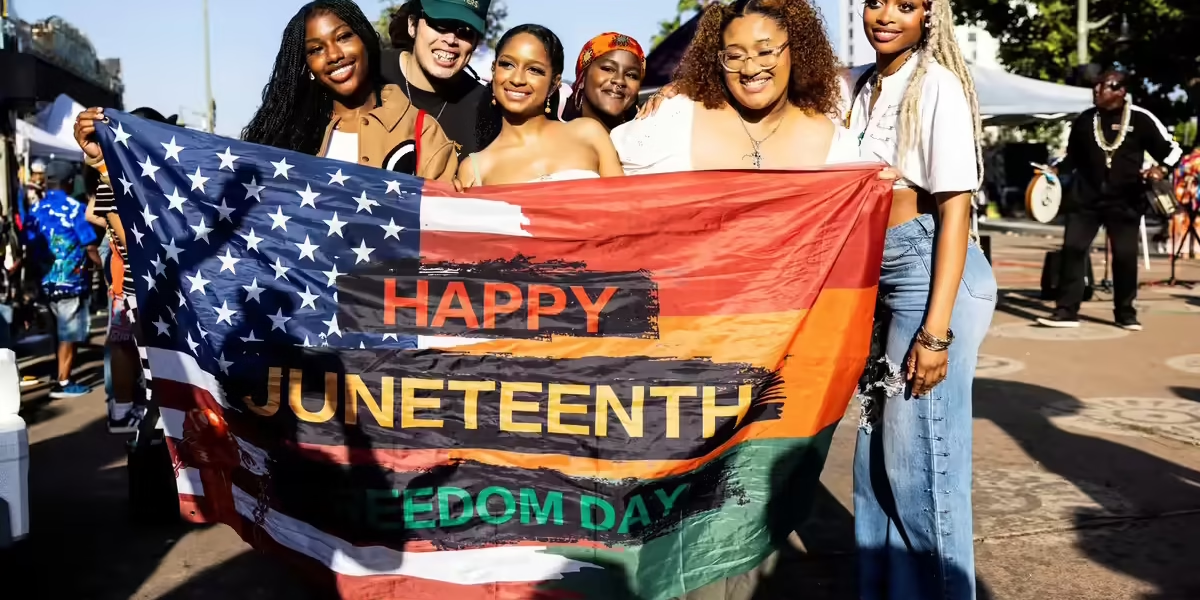
Modern Juneteenth celebrations combine remembrance, education, culture, and community activities. While traditions vary across the United States, the holiday is generally observed in ways that honor history while celebrating freedom and resilience.
Many communities organize events such as:
- Parades
- Cultural festivals
- Community picnics
- Educational workshops
- Historical exhibitions
- Live music performances
- Family gatherings
Schools, museums, libraries, and community organizations often host programs that explore African American history and the significance of Juneteenth.
These celebrations help people of all backgrounds learn about the holiday and its place in American history.
Juneteenth Traditions And Cultural Activities
Juneteenth traditions have evolved over generations while continuing to reflect themes of freedom, hope, and community.
Common traditions include:
Historical Education
Many celebrations feature lectures, storytelling sessions, documentaries, and discussions about the Civil War, emancipation, and African American history.
Community Gatherings
Families and neighborhoods come together to celebrate through shared meals, music, and cultural activities.
Music And Performances
Gospel music, jazz, blues, spoken-word performances, and other artistic expressions are often part of Juneteenth events, reflecting the rich cultural heritage of African American communities.
Volunteer And Community Service
Some organizations mark the holiday through volunteer work, charity events, and community improvement projects that promote unity and service.
Traditional Foods Associated With Juneteenth
Food has long been an important part of Juneteenth celebrations because it brings families and communities together.
Traditional meals often include barbecue, fresh vegetables, baked dishes, desserts, and regional specialties.
Many celebrations also feature foods and drinks with red colors, which are commonly associated with Juneteenth traditions.
These may include:
- Red beverages
- Watermelon
- Strawberries
- Red velvet cake
For many families, these foods represent celebration, resilience, and shared cultural traditions.
Food traditions can vary by region, family history, and local customs.
Juneteenth Flag And Symbols
Several symbols have become closely associated with Juneteenth over the years.
The Juneteenth Flag
The Juneteenth flag features a red, white, and blue design with a bursting star.
The colors reflect the United States flag while emphasizing that formerly enslaved people and their descendants are an inseparable part of the nation’s history.
The central star represents freedom and the historic events connected with Galveston, Texas.
Colors Of Juneteenth
Red, black, and green are also frequently displayed during celebrations because of their historical and cultural significance within many African American communities.
Flags, banners, clothing, and decorations help express remembrance, pride, and unity during the holiday.
Juneteenth And Independence Day Differences
Juneteenth and Independence Day are both important American holidays, but they commemorate different historical events.
| Feature | Juneteenth | Independence Day |
|---|---|---|
| Date | June 19 | July 4 |
| Main Focus | End of slavery and emancipation | Adoption of the Declaration of Independence |
| Historical Event | Freedom announced in Texas in 1865 | American independence declared in 1776 |
| Primary Theme | Freedom, equality, remembrance | National independence and patriotism |
While Independence Day celebrates the founding of the United States, Juneteenth recognizes the expansion of freedom to formerly enslaved African Americans.
Together, both holidays represent important milestones in the nation’s history.
Why Juneteenth Remains Important Today
Juneteenth is not only a historical commemoration but also an opportunity to reflect on progress, equality, and shared history.
The holiday encourages discussions about:
- Civil rights
- Equal opportunity
- Historical understanding
- Community engagement
- Cultural appreciation
Educational programs held during Juneteenth help ensure that future generations understand the significance of emancipation and the experiences of African Americans throughout history.
Many organizations also use the holiday to highlight contributions made by African Americans in education, science, business, arts, sports, and public service.
Juneteenth In Schools And Communities
Schools and educational institutions increasingly recognize Juneteenth as an opportunity to teach students about important events in American history.
Learning activities may include:
- Classroom discussions
- Historical presentations
- Reading assignments
- Museum visits
- Community events
These educational efforts help create a broader understanding of the nation’s history and encourage thoughtful conversations about freedom and equality.
Community organizations also host events that promote cultural exchange and strengthen local relationships.
Future Of Juneteenth Celebrations
As awareness continues to grow, Juneteenth celebrations are likely to become even more widespread.
Future observances may include:
- Expanded educational programs
- Larger cultural festivals
- Increased community participation
- More historical preservation initiatives
- Greater public awareness
The holiday continues evolving while remaining rooted in its original purpose of honoring freedom and remembering an important chapter in American history.
Final Thoughts
Juneteenth is one of the most meaningful observances in United States history because it commemorates the end of slavery and celebrates the enduring values of freedom, resilience, and equality.
From its origins in Galveston, Texas, on June 19, 1865, to its recognition as a federal holiday in 2021, Juneteenth has become an important opportunity to honor history, celebrate culture, and encourage education.
The holiday reminds people that understanding history helps build stronger communities and promotes respect for the experiences that have shaped the nation.
Whether through educational events, cultural celebrations, family gatherings, or community service, Juneteenth continues to inspire reflection and appreciation for the ongoing pursuit of freedom and equal opportunity.
Frequently Asked Questions
1. What is Juneteenth?
Juneteenth is a U.S. holiday observed on June 19 that commemorates the announcement of freedom for enslaved African Americans in Texas in 1865.
2. Why is Juneteenth celebrated on June 19?
It marks the day when General Gordon Granger announced General Order No. 3 in Galveston, Texas, informing enslaved people that they were free.
3. When did Juneteenth become a federal holiday?
Juneteenth became a federal holiday in the United States in 2021.
4. How do people celebrate Juneteenth?
Celebrations often include parades, cultural festivals, educational events, family gatherings, music, and community activities.
5. What is the difference between Juneteenth and Independence Day?
Independence Day celebrates the nation’s independence in 1776, while Juneteenth commemorates the end of slavery and the expansion of freedom in 1865.
6. Why is Juneteenth important today?
It promotes historical understanding, honors African American history, celebrates freedom, and encourages continued conversations about equality and opportunity.
7. Is Juneteenth celebrated only in Texas?
No. Although it began in Texas, Juneteenth is now recognized and celebrated throughout the United States.