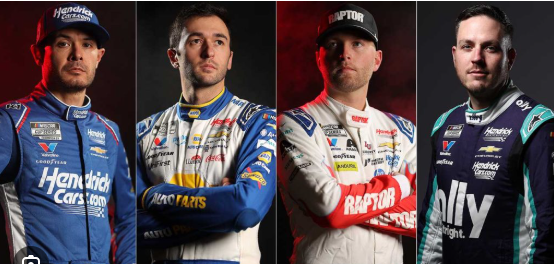

The NASCAR Cup Series is entering a new era with several important lineup adjustments, creating fresh storylines for teams, drivers, and fans. Every offseason brings changes that can completely reshape the competitive landscape, and the NASCAR 2026 driver changes have become one of the biggest discussion points among racing followers.
Driver movements are not only about replacing one name with another. They can influence team performance, championship opportunities, rookie development, sponsor relationships, and the future direction of NASCAR organizations.
The 2026 season introduces new faces in important positions while also creating new opportunities for experienced drivers looking for a stronger competitive environment. Young talents are moving upward, veterans are changing teams, and organizations are adjusting their strategies to compete at the highest level.
This guide explains the biggest NASCAR driver changes for 2026, why these moves matter, how they affect teams, and what fans should expect from the upcoming season.
NASCAR 2026 Driver Changes Quick Overview
| Driver Change | Team Impact | Importance |
|---|---|---|
| Connor Zilisch moves to Cup Series | Trackhouse Racing lineup change | Major rookie storyline |
| Daniel Suárez changes teams | New opportunity with Spire Motorsports | Veteran career move |
| Shane van Gisbergen changes car number | Trackhouse Racing adjustment | Team restructuring |
| Crew chief and driver combinations change | Performance strategy updates | Competitive impact |
These changes show how NASCAR teams continuously adjust their plans to improve performance and build future success.
Why NASCAR Driver Changes Matter
Driver changes are among the most important offseason events in NASCAR because drivers directly influence team performance.
A successful driver brings more than speed. They contribute experience, communication skills, race strategy, sponsor value, and the ability to develop competitive cars.
When a driver changes teams, the entire organization often goes through adjustments, including:
- New communication systems
- Different driving feedback
- Changes in race strategy
- New crew relationships
- Updated performance goals
A driver who performs well with one organization may need time to adapt to another team’s working style.
This makes offseason moves one of the most interesting parts of NASCAR competition.
Connor Zilisch Joins Trackhouse Racing For 2026
One of the biggest NASCAR 2026 changes is the move of Connor Zilisch into a full-time Cup Series role with Trackhouse Racing.
Zilisch has been considered one of NASCAR’s most promising young talents. His move represents Trackhouse Racing’s focus on developing future championship-level drivers.
The young driver is expected to take over the No. 88 Chevrolet, creating a major opportunity early in his Cup Series career.
This move creates excitement because rookie drivers often bring new energy and different racing approaches.
However, moving to the Cup Series also presents major challenges. The competition level is significantly higher, requiring drivers to adapt quickly to:
- Faster race environments
- More experienced competitors
- Longer schedules
- Advanced vehicle setups
Zilisch’s development will be one of the most closely watched stories of the 2026 season.
Daniel Suárez Moves To Spire Motorsports
Another major storyline in the 2026 NASCAR driver changes involves Daniel Suárez.
After his time with Trackhouse Racing, Suárez moved to Spire Motorsports for the 2026 season, taking over the No. 7 Chevrolet position.
This move provides Suárez with a new environment and a fresh opportunity to continue building his Cup Series career.
Veteran drivers often benefit from changing teams because a new organization can provide different resources, strategies, and development approaches.
For Spire Motorsports, adding an experienced Cup Series winner provides valuable leadership and competitive knowledge.
The partnership between Suárez and Spire will be an important factor to watch throughout the season.
Trackhouse Racing’s New Driver Structure
Trackhouse Racing has become one of NASCAR’s fastest-growing organizations, and its 2026 lineup changes show a focus on future development.
The team’s adjustments involve balancing young talent with experienced competition.
A successful NASCAR team needs a combination of:
- Driver skill
- Engineering strength
- Team chemistry
- Long-term planning
By bringing in a young driver like Connor Zilisch while continuing to support established talent, Trackhouse is building a structure designed for future success.
The organization’s growth reflects how newer NASCAR teams can challenge traditional powerhouse teams through smart planning and driver development.
Impact Of Rookie Drivers In NASCAR
Rookie drivers often bring excitement because they represent the future of the sport.
However, entering the Cup Series requires more than talent.
Successful rookies must develop:
Race Experience
Cup Series competition requires understanding different tracks, conditions, and strategies.
Technical Communication
Drivers must provide valuable feedback to engineers and crew members.
Mental Strength
The pressure of competing against established champions can be demanding.
Consistency
Winning races is important, but consistent finishes often determine long-term success.
The 2026 season provides an important opportunity for emerging drivers to prove their abilities.
Major NASCAR 2026 Driver Changes And Their Championship Impact
The NASCAR 2026 season brings several important driver movements that could influence championship competition throughout the year. While some teams are focusing on developing young talent, others are adding experienced drivers to strengthen their performance.
Driver changes can completely alter team chemistry because success in NASCAR depends on the relationship between drivers, crew chiefs, engineers, and organizations.
The biggest moves involve rising stars entering the Cup Series and experienced drivers searching for new opportunities. These changes create new competitive battles and could reshape the future of several NASCAR teams.
The 2026 season represents a balance between youth development and veteran experience, creating one of the most interesting lineup changes in recent NASCAR history.
How Driver Changes Affect NASCAR Team Performance
A driver transition involves much more than changing the name on a race car.
When a new driver joins a team, the organization must adjust its approach around the driver’s racing style, communication methods, and feedback preferences.
Important areas affected by driver changes include:
Car Development
Drivers provide feedback that helps engineers improve vehicle performance. A new driver may have different preferences for handling, balance, and race setup.
Team Communication
Strong communication between drivers and crew members is essential during races. Building chemistry can take time.
Race Strategy
Different drivers approach fuel management, tire conservation, and aggressive racing situations differently.
Championship Goals
Teams often make driver changes because they believe a new combination can create better long-term results.
These factors make offseason driver movements one of the most important parts of NASCAR preparation.
Daniel Suárez’s New Opportunity With Spire Motorsports
One of the most notable NASCAR 2026 driver changes is Daniel Suárez moving from Trackhouse Racing to Spire Motorsports.
Suárez joins Spire Motorsports as the driver of the No. 7 Chevrolet after leaving Trackhouse Racing following a mutual decision to part ways. The move gives him a fresh opportunity with a growing organization.
Suárez brings valuable Cup Series experience, including race victories and years of competition at NASCAR’s highest level.
For Spire Motorsports, adding an experienced driver provides leadership and technical knowledge that can help accelerate the team’s development.
The partnership will be closely watched because Spire has shown ambition to become a stronger competitor in the Cup Series.
Connor Zilisch And The Future Of NASCAR Talent
Connor Zilisch represents one of the biggest stories entering the 2026 NASCAR season.
The young driver moves into a full-time Cup Series role with Trackhouse Racing after an impressive rise through NASCAR’s development system. He replaces Daniel Suárez in Trackhouse’s lineup and joins the organization as one of the sport’s most highly discussed young talents.
Zilisch’s arrival creates excitement because NASCAR fans are always interested in discovering the next generation of championship contenders.
However, the transition from lower series competition to the Cup Series is challenging.
A successful rookie season requires:
- Learning different tracks
- Understanding advanced race strategies
- Building relationships with crew members
- Managing pressure from expectations
His performance will be one of the biggest storylines of 2026.
Trackhouse Racing’s Long-Term Strategy
Trackhouse Racing’s 2026 changes show a clear focus on future growth.
The organization has quickly established itself as a competitive NASCAR team and continues investing in talented drivers and strong technical development.
The 2026 lineup includes Ross Chastain, Connor Zilisch, and Shane van Gisbergen, creating a combination of experience and emerging talent.
This strategy allows Trackhouse to compete immediately while also building for future championship opportunities.
Young drivers bring potential, while experienced competitors provide stability and leadership.
Finding the right balance between these qualities is one of the biggest challenges for modern NASCAR teams.
Role Of Crew Chiefs In Driver Changes
Driver changes are closely connected with crew chief adjustments.
A successful driver and crew chief relationship can become one of the strongest advantages in NASCAR competition.
Crew chiefs help with:
- Race strategy
- Vehicle setup decisions
- Communication during events
- Performance analysis
For example, Connor Zilisch will work with Randall Burnett during his rookie Cup Series season, creating an important driver-crew chief partnership for Trackhouse Racing.
Strong chemistry between these two roles can significantly influence a driver’s ability to adapt and compete.
How New Drivers Could Change NASCAR Competition
New driver additions often bring changes to the competitive balance of NASCAR.
Young drivers can introduce different racing styles, while experienced drivers moving teams can improve organizations that are still developing.
The 2026 season could feature:
- New championship contenders
- Strong rookie performances
- Team battles for playoff positions
- Different race strategies
Fans often follow driver changes because they create new rivalries and unexpected results.
A driver who performs well after a team change can completely change the direction of an organization.
Impact On NASCAR Fans And Sponsors
Driver changes also have a major impact beyond the racetrack.
Fans often build strong connections with drivers, making lineup changes emotionally important.
Sponsors also consider driver popularity, performance potential, and market value when supporting teams.
A successful driver transition can create:
- Increased fan interest
- More media attention
- Stronger sponsor relationships
- Greater team visibility
For NASCAR organizations, selecting the right driver is not only a competitive decision but also a business strategy.
Future Outlook For NASCAR Driver Movement
Driver movement will continue to be an important part of NASCAR’s evolution.
As younger drivers develop through racing programs, teams will continue searching for future stars.
At the same time, experienced drivers will remain valuable because their knowledge and leadership can help teams improve.
The 2026 season represents a changing NASCAR landscape where new talent, improved technology, and strategic team decisions will shape future competition.
The success of these driver changes will depend on how quickly teams adapt and how well new partnerships perform.
Final Thoughts
The NASCAR 2026 driver changes highlight a major period of transition for the Cup Series. With rising talents entering new roles and experienced drivers searching for fresh opportunities, the upcoming season offers many new competitive storylines.
Connor Zilisch’s move to Trackhouse Racing represents NASCAR’s focus on developing future stars, while Daniel Suárez’s move to Spire Motorsports shows how experienced drivers can bring valuable knowledge to growing teams.
Driver changes are about more than replacing names on a roster. They influence team chemistry, performance development, championship opportunities, and the future direction of NASCAR.
As the 2026 season progresses, these lineup decisions will reveal which teams made the right moves and which drivers are ready to become the next generation of NASCAR leaders.
Frequently Asked Questions
1. What are the biggest NASCAR 2026 driver changes?
The biggest changes include Connor Zilisch joining Trackhouse Racing’s Cup Series lineup and Daniel Suárez moving to Spire Motorsports.
2. Why do NASCAR teams change drivers?
Teams change drivers to improve performance, develop future talent, strengthen competition, or create better team chemistry.
3. Is Connor Zilisch a NASCAR Cup Series rookie in 2026?
Yes. Zilisch moves into a full-time Cup Series role with Trackhouse Racing for the 2026 season.
4. How do driver changes affect championship chances?
New driver combinations can improve or reduce championship opportunities depending on performance, teamwork, and adaptation.
5. Why is Daniel Suárez’s move important?
Suárez brings Cup Series experience to Spire Motorsports, giving the team additional leadership and competitive knowledge.
6. Will more NASCAR driver changes happen in the future?
Yes. Driver movement is a regular part of NASCAR as teams continue developing talent and improving performance.