
The Essence of Indian Cuisine
Indian cuisine is a vibrant and diverse culinary tradition that reflects the country’s rich history, culture, and regional diversity. It’s characterized by its bold flavors, aromatic spices, and a unique blend of ingredients that make every dish a sensory delight. From the spicy curries of the North to the coconut-infused delicacies of the South, Indian food offers a wide range of flavors and textures. The use of spices such as cumin, coriander, turmeric, and cardamom is central to Indian cooking, transforming simple ingredients into complex, flavorful dishes. Whether you’re craving a hearty meal or a light snack, Indian cuisine has something to offer for every palate.
North Indian Delights
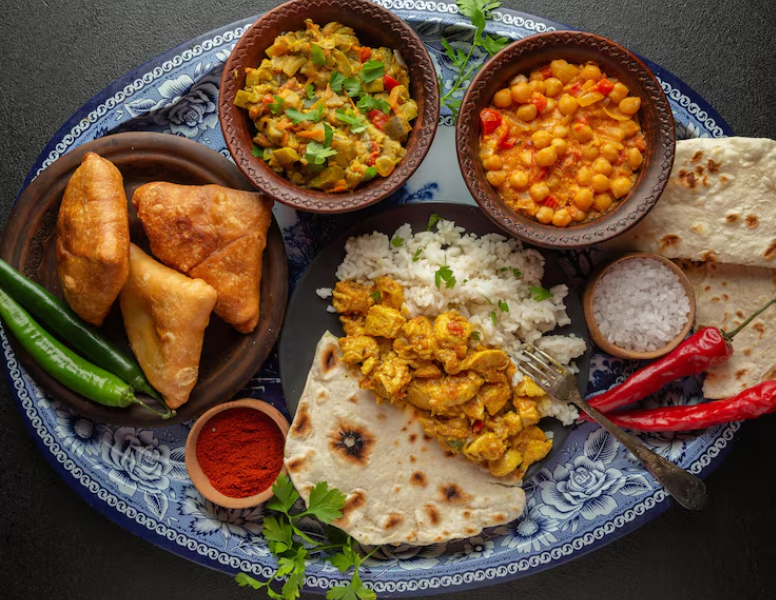
North Indian cuisine is known for its rich and hearty dishes, often featuring dairy products like yogurt, cream, and ghee (clarified butter). The cuisine is dominated by robust flavors, such as those found in dishes like butter chicken, dal makhani, and palak paneer. Breads like naan, roti, and paratha are common accompaniments to curries and stews. One popular dish from this region is Chole Bhature—a combination of spicy chickpeas and fluffy deep-fried bread, typically served with yogurt and pickles. Another beloved dish is Aloo Gobi, a comforting curry made with potatoes, cauliflower, and a blend of spices that provide warmth and depth of flavor.
South Indian Staples
South Indian cuisine is known for its emphasis on rice, lentils, and coconut, which form the base of many dishes. The cuisine is also less spicy compared to the North but is equally flavorful, with an emphasis on tangy, sour, and sweet combinations. Dosas, thin crispy pancakes made from fermented rice and lentil batter, are a staple breakfast dish, often served with chutneys and sambar (a lentil-based vegetable stew). Idli, steamed rice cakes, and Vada, savory doughnuts made from lentils, are other popular South Indian dishes. One standout dish is Hyderabadi Biryani, a fragrant rice dish cooked with spiced meat, typically chicken or mutton, and served with a cooling yogurt-based raita.
Vegetarian Heaven
Indian cuisine is a paradise for vegetarians, with an abundant variety of dishes that cater to every taste. Vegetables, legumes, and grains are used in an incredible array of ways, with regional variations. In Gujarat, a state in the western part of India, dishes like Dhokla (steamed fermented rice and chickpea cakes) and Khandvi (rolled chickpea flour snacks) are famous. In the state of Rajasthan, Gatte ki Sabzi (gram flour dumplings in a spicy gravy) is a classic vegetarian curry. Baingan Bharta, a smoky-flavored eggplant dish, and Aloo Tikki, spiced mashed potato patties, are popular street foods enjoyed across the country.
Spices: The Heart of Indian Cuisine
What sets Indian cuisine apart is its use of spices, which not only enhance the flavors of food but also offer numerous health benefits. Spices like cumin, coriander, turmeric, and garam masala are frequently used in various combinations to add depth and richness to dishes. Turmeric is known for its anti-inflammatory properties, while cumin aids in digestion. Cardamom adds sweetness and fragrance to both savory and sweet dishes. Indian cooks are masters at balancing spices, creating harmonious flavors that are both bold and comforting.
Indian Street Food: A Flavorful Adventure
Street food in India is a celebration of flavors and textures, offering something for every taste bud. From the tangy, spicy pani puri of Mumbai to the hot and crispy samosas of Delhi, Indian street food is a delicious way to experience the country’s culinary diversity. Pav Bhaji, a spicy vegetable mash served with buttered bread rolls, is a popular snack in Mumbai, while Aloo Tikki Chaat, crispy potato patties topped with yogurt, tamarind chutney, and spices, is a favorite in North India. Dahi Puri, little puris filled with yogurt and tamarind chutney, offer a burst of flavors in every bite, making it a perfect example of India’s street food culture.
Indian Sweets: A Sweet Finale
No Indian meal is complete without a sweet treat, and Indian desserts are known for their rich and indulgent flavors. Gulab Jamun, deep-fried dough balls soaked in sugary syrup, is a beloved dessert found at almost every Indian celebration. Jalebi, a crispy and syrupy fried dessert, and Rasgulla, spongy white cheese balls dipped in syrup, are also popular across the country. In the state of Punjab, Kulfi, a dense, creamy ice cream flavored with cardamom, saffron, and pistachios, is a refreshing summer treat. For something lighter, Kheer, a sweet rice pudding flavored with cardamom and garnished with nuts, is often served during festivals and family gatherings.
Healthy Indian Dishes
While many traditional Indian dishes can be rich and indulgent, there is also a wide variety of healthy options in Indian cuisine. Dal Tadka, made with yellow lentils and tempered with ghee and spices, is both nutritious and satisfying. Vegetable Pulao, made with mixed vegetables and aromatic spices, is a light yet flavorful dish. Raita, a yogurt-based side dish made with cucumber or mint, is often served to balance spicy dishes and aid digestion. Many Indian meals are also made using minimal oil and feature fresh, seasonal ingredients like leafy greens, beans, and vegetables, which make them perfect for those seeking a healthy and balanced diet.
Conclusion: A Journey of Flavors
Indian cuisine is a treasure trove of flavors, textures, and aromas. Whether you prefer the rich, creamy curries of the North, the tangy, coconut-infused dishes of the South, or the mouthwatering street food of India’s bustling cities, Indian food offers something for everyone. The use of spices, fresh ingredients, and regional variations makes each meal a unique experience. So, embark on a culinary journey and enjoy the diverse, flavorful world of Indian cuisine.