
Introduction
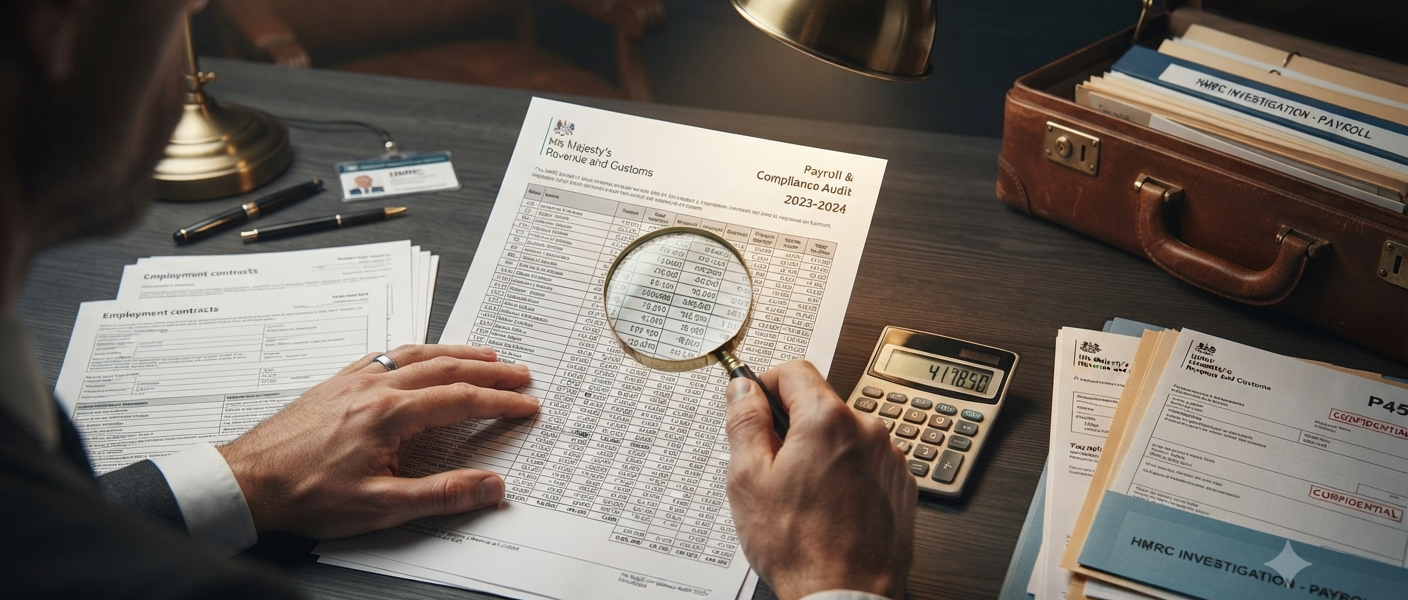
HMRC wage raid payroll checks refer to investigations and compliance inspections carried out by HM Revenue & Customs (HMRC) to ensure employers are paying staff correctly, reporting wages accurately, and meeting their tax obligations. These checks can range from routine payroll reviews to more detailed investigations where HMRC examines payroll records, tax payments, and employee information. Understanding how payroll checks work can help businesses prepare for inspections, reduce compliance risks, and avoid costly penalties. This guide explains what HMRC payroll checks involve, why they happen, and how employers can stay compliant with UK payroll regulations.
What Are HMRC Wage Raid Payroll Checks?
HMRC payroll checks are compliance activities designed to verify that employers are meeting their legal responsibilities.
During a payroll review, HMRC may examine:
- Employee payroll records
- PAYE submissions
- National Insurance contributions
- Pension deductions
- Tax calculations
- Employment contracts
- Wage payment records
The goal is to confirm that payroll information reported to HMRC matches the employer’s actual records.
Why Does HMRC Conduct Payroll Checks?
HMRC carries out payroll checks for several reasons.
Ensure Tax Compliance
Employers are required to deduct and report the correct amount of Income Tax and National Insurance through the PAYE system.
Verify Employee Payments
Payroll inspections help confirm that employees are being paid correctly and in accordance with employment laws.
Detect Reporting Errors
Checks may identify mistakes such as incorrect tax codes, underreported wages, or inaccurate payroll submissions.
Prevent Tax Evasion
HMRC also investigates suspected cases of payroll fraud, hidden wages, or deliberate tax avoidance.
What Can Trigger an HMRC Payroll Check?
Several factors may increase the likelihood of a payroll review.
Late PAYE Filings
Repeated delays in submitting payroll information can attract attention.
Payroll Inconsistencies
Large differences between payroll records and tax returns may prompt further examination.
Employee Complaints
Complaints regarding unpaid wages or incorrect tax deductions may lead to an investigation.
Industry Compliance Campaigns
HMRC occasionally conducts targeted compliance campaigns in industries where payroll errors are more common.
Random Compliance Reviews
Some inspections are selected as part of routine compliance activity without any specific allegation of wrongdoing.
What Documents Might HMRC Request?
Employers should be prepared to provide accurate records.
Common documents include:
- Payroll reports
- Employee contracts
- Payslips
- PAYE records
- National Insurance details
- Pension contribution records
- Timesheets
- Wage payment records
- Bank payment information
- Tax calculations
Keeping organized records makes the review process smoother.
How Employers Can Prepare
Preparation can reduce the risk of errors during a payroll inspection.
Maintain Accurate Payroll Records
Ensure employee information and payroll data are updated regularly.
Submit PAYE on Time
Meeting filing deadlines demonstrates good compliance practices.
Review Payroll Regularly
Internal payroll audits can identify mistakes before HMRC does.
Keep Supporting Documentation
Maintain records for the required retention period so they are available if requested.
Train Payroll Staff
Employees responsible for payroll should understand current tax rules and reporting requirements.
Common Payroll Mistakes
Businesses sometimes make errors without realizing it.
Examples include:
- Incorrect tax codes
- Missing PAYE submissions
- Incorrect National Insurance calculations
- Misclassifying workers
- Payroll software errors
- Incorrect overtime calculations
- Failure to update employee details
Regular reviews help identify these issues early.
What Happens During a Payroll Check?
Although the process varies, a typical review may include several stages.
Initial Contact
HMRC contacts the employer to explain the purpose of the review and request relevant information.
Document Review
Payroll records and supporting documents are examined for accuracy.
Questions and Clarifications
HMRC may ask for explanations regarding payroll calculations or specific transactions.
Findings
If no issues are identified, the review may conclude without further action. Where discrepancies are found, HMRC may request corrections or consider additional compliance steps.
Possible Outcomes
The outcome depends on the findings of the review.
Possible results include:
- No further action
- Requests to correct payroll records
- Repayment of underpaid tax
- Refunds for overpaid tax in some situations
- Financial penalties where legal requirements have not been met
- Further investigation if significant concerns remain
The specific outcome will depend on the facts of each case.
Best Practices for Payroll Compliance
Employers can reduce compliance risks by following good payroll practices.
Use Reliable Payroll Software
Modern payroll software can help automate calculations and submissions.
Monitor Legislative Changes
Payroll rules and tax rates can change, so staying informed is essential.
Perform Internal Audits
Regular payroll reviews help detect errors before they become larger issues.
Keep Employee Records Updated
Changes to addresses, tax codes, or employment status should be recorded promptly.
Seek Professional Advice
Complex payroll situations may require guidance from a qualified payroll or tax professional.
Tips for Small Businesses
Small businesses can improve payroll compliance by:
- Keeping digital payroll records
- Meeting PAYE deadlines
- Reconciling payroll regularly
- Backing up payroll data securely
- Reviewing payroll reports each month
- Responding promptly to HMRC correspondence
These practices can make future payroll reviews much easier.
Conclusion
Understanding HMRC wage raid payroll checks helps employers maintain accurate payroll records and comply with UK tax requirements. While payroll inspections can seem daunting, keeping organized records, submitting PAYE information on time, and reviewing payroll regularly can significantly reduce the risk of problems. By following good payroll practices and addressing errors promptly, businesses can improve compliance and be better prepared if HMRC requests a payroll review.
FAQs
What are HMRC wage raid payroll checks?
They are compliance checks carried out by HMRC to verify that employers are correctly reporting payroll information, tax deductions, and National Insurance contributions.
Why would HMRC review a company’s payroll?
Payroll reviews may occur because of routine compliance activity, reporting inconsistencies, late filings, employee complaints, or other compliance concerns.
What records should employers keep?
Employers should retain payroll reports, PAYE records, payslips, employment contracts, timesheets, pension records, and other supporting payroll documentation.
Can payroll errors result in penalties?
Yes. Depending on the circumstances, payroll errors may require corrections, repayment of tax, or financial penalties where legal obligations have not been met.
How can businesses prepare for a payroll check?
Maintain accurate records, submit payroll information on time, conduct regular payroll reviews, and ensure staff understand current payroll requirements.
Are all HMRC payroll checks caused by suspected wrongdoing?
No. Some payroll checks are routine compliance reviews and are not necessarily an indication that HMRC suspects misconduct.